
Wakefield

Wakefield, a small town in New Zealand’s South Island, has become a focal point for community resilience in the face of growing food insecurity, with its local food bank playing an increasingly vital role in supporting vulnerable residents. As economic pressures mount across the country, the Wakefield Food Bank has stepped up to provide essential groceries, dignity, and practical assistance to those struggling to make ends meet. Far from the urban centres often associated with such initiatives, this grassroots effort reflects a quiet but powerful response to hardship in rural Aotearoa, where neighbours help neighbours through volunteerism, donations, and collective care.
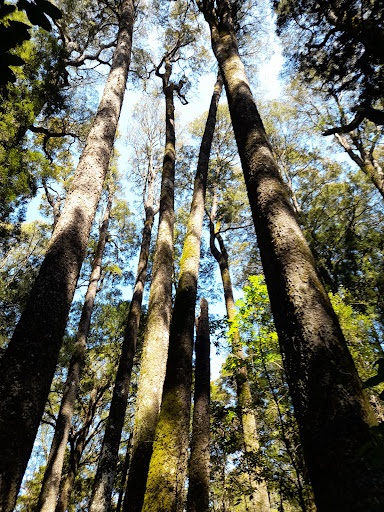
Tasman Region, New Zealand
Nestled in the scenic Tasman Region, New Zealand, Wakefield has emerged as a strategic hub for agribusiness and eco-tourism, leveraging its fertile landscapes and proximity to Nelson for logistical advantage. The town benefits from a growing reputation for premium horticultural produce, particularly apples and hops, supported by a collaborative network of local growers and sustainable practices. With increasing infrastructure investment and access to both domestic and international markets, Wakefield presents a compelling opportunity for businesses seeking resilience, community integration, and long-term growth in a picturesque yet economically vibrant setting.
More information
What is the role of food banks in the Tasman Region of New Zealand?
Food banks in the Tasman Region of New Zealand play a crucial role in supporting individuals and families experiencing food insecurity by providing emergency food parcels and essential supplies. These services are often run by local charities, community trusts, and volunteer networks that rely heavily on donations and government or council support. The demand for food banks has grown in recent years due to rising living costs, housing instability, and income inequality, making them a vital part of the region’s social safety net.
How can residents in Wakefield access food bank services?
Residents in Wakefield, a small town within the Tasman Region, can access food bank services through local community centres, churches, or organisations such as the Wakefield Community Trust. Individuals typically need to make a referral, often through social workers, health professionals, or self-referral forms, to receive an emergency food parcel. These parcels include non-perishable items, fresh produce when available, and essentials tailored to household size and dietary needs.
What types of food are distributed by food banks in New Zealand?
Food banks across New Zealand, including those in the Tasman Region, distribute a range of nutritious and staple foods such as canned vegetables, rice, pasta, breakfast cereals, tinned proteins, and long-life milk. Where possible, they also include fresh produce sourced from local growers, supermarkets, or community gardens. The goal is to provide balanced, culturally appropriate, and family-sized packages that support dignity and dietary requirements.
How can people support food banks in the Tasman Region?
Supporting food banks in the Tasman Region can be done through food donations, financial contributions, volunteering time, or helping with food distribution logistics. Local supermarkets, schools, and community groups often run food drives to collect essential items, while residents can donate directly to organisations like the Nelson Food Bank or Wakefield Community Trust. Raising awareness and advocating for long-term solutions to poverty also strengthens the impact of these essential services.

We hope you enjoyed this article about Wakefield.